I Read 10 Books About Emotional Intelligence So You'd Only Have to Read One
Heads up: some links below are affiliate links. At no extra cost to you, I may earn a small commission if you buy through them.
I was sitting in my car after a conversation with my wife that went sideways—again—thinking "I've literally read Goleman's book twice, why am I still THIS bad at this?"
That was the moment I realized reading ABOUT emotional intelligence and actually GETTING better at it are completely different things.
So I went back through every EQ book I'd bought over the years, finally finished the ones collecting dust, and figured out which ones actually changed how I showed up in conversations versus which ones just made me feel smart for a weekend.
This list covers ten books for very different situations—the skeptic who needs science, the person in relationship crisis RIGHT NOW, the new manager drowning in people problems, and everyone in between.
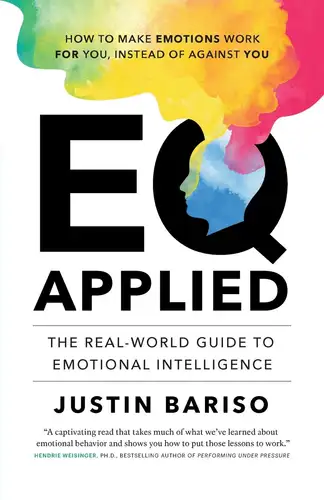
EQ Applied: The Real-World Guide to Emotional Intelligence
One thing to know: If you want academic depth or heavy neuroscience, this will feel too lightweight for you.
- How to identify your specific emotional triggers by tracking patterns, then design pre-commitments for those recurring moments
- The "pause practice"—a deliberate 2-5 second gap before responding that actually works in email, meetings, and arguments
- A simple rule: ask one clarifying question before offering your opinion, turning disagreements into information-gathering
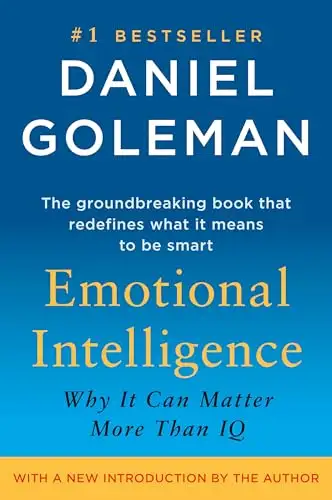
Emotional Intelligence: Why It Can Matter More Than IQ
One thing to know: If you're in acute relationship crisis and need immediate tools, this is too broad and theoretical for your current moment.
- The five distinct abilities that make up emotional intelligence—and why each can be developed deliberately over time
- How chronic stress hijacks your brain's decision-making, and why learning to interrupt that cascade matters more than willpower
- Why your childhood shaped your emotional habits, but also how adults can retrain responses through practice
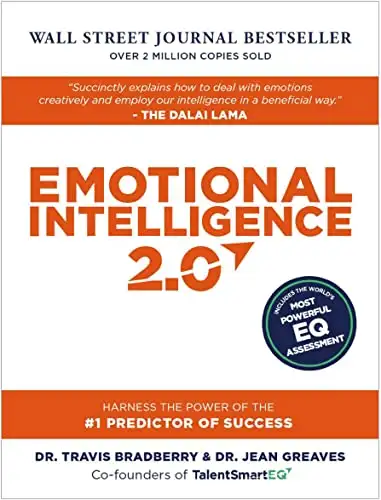
Emotional Intelligence 2.0
One thing to know: If you're skeptical of proprietary assessments or want heavily peer-reviewed academic depth, this will feel more like coaching than rigorous science.
- Your actual EQ scores across self-awareness, self-management, social awareness, and relationship management
- 2-3 specific techniques for your lowest-scoring area, designed to be practiced over 30-60 days
- A tracking system for emotional spikes—what happened, how you felt, how you responded
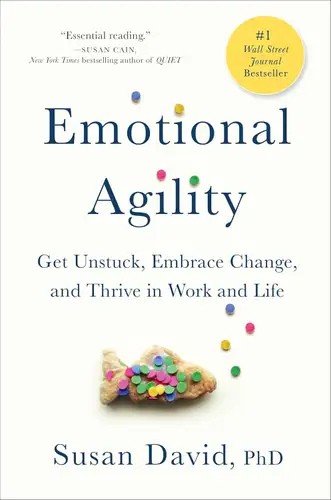
Emotional Agility: Get Unstuck, Embrace Change, and Thrive in Work and Life
Susan David is a psychologist at Harvard Medical School, and this book is built on her own research rather than a remix of everyone else's.
The premise landed hard for me: most of us handle difficult emotions in one of two broken ways—we bottle them up until they leak out sideways, or we brood on them until we drown.
Her alternative is to treat thoughts and feelings as data, not directions. You notice them, label them, create a little space, and then choose your next move based on your values instead of your impulse.
It's the rare EQ book that's genuinely rigorous AND usable. The trade-off: it leans on mindset shifts more than fill-in-the-blank scripts, so if you want exact wording for tonight's hard conversation, pair it with #5.
One thing to know: If you want ready-made conversational scripts more than a healthier relationship with your own emotions, this will feel more internal than tactical.
- The difference between being "hooked" by a thought and simply noticing it—and the labeling move that opens space between the two
- How to spot your default rut (bottling or brooding) and step out of it before it quietly runs the show
- "Walking your why"—using your values as the compass for action when emotions are loud and the right path isn't obvious
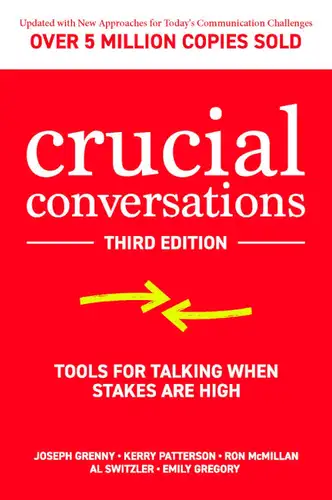
Crucial Conversations: Tools for Talking When Stakes Are High
One thing to know: If you want neuroscience or formal EQ theory, this is a communication manual, not an emotional intelligence treatise.
- How to recognize when a conversation becomes "crucial" and shift to deliberate dialogue mode
- The specific move that rebuilds safety—clarifying your intent and mutual purpose out loud
- STATE skills: Share facts, Tell your story, Ask for others' paths, Talk tentatively, Encourage testing
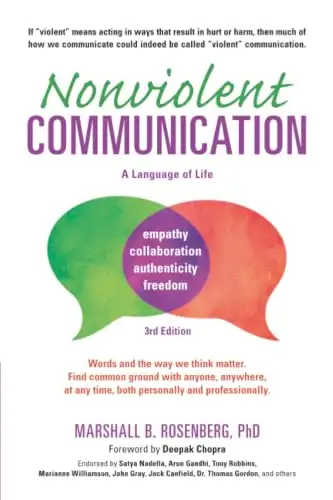
Nonviolent Communication: A Language of Life
One thing to know: If you strongly dislike structured or scripted communication techniques, the NVC format may feel too contrived initially.
- The four components for any charged situation: observation, feeling, need, request
- How to replace labels ("you're selfish") with feeling-and-need statements that don't trigger defensiveness
- Listening by reflecting feelings and needs BEFORE offering advice—which often de-escalates conflict immediately
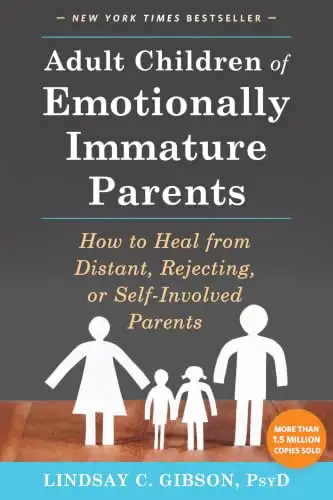
Adult Children of Emotionally Immature Parents
One thing to know: If your main concern is workplace interactions, not healing family-of-origin wounds, this will feel misaligned with your immediate goals.
- How to recognize traits of emotionally immature parents and how they shaped your adult relationship patterns
- Strategies for detaching from the "internalizer" role—taking responsibility for others' feelings
- How to build relationships that model emotional maturity instead of seeking validation from unavailable people
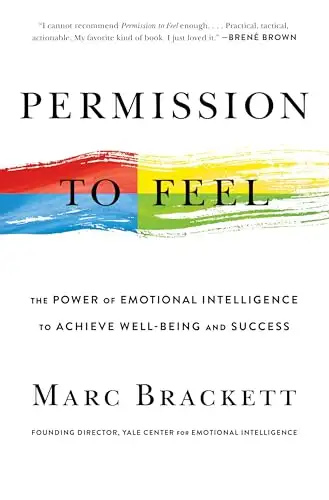
Permission to Feel
One thing to know: If you want purely workplace or romantic-relationship focus with no interest in kids or education, the school-based examples may feel like a detour.
- How to use emotional check-ins and mood meters to regularly identify your state instead of operating on autopilot
- The RULER framework applied: pause, interpret what emotions are signaling, choose your response
- How to create "emotion rules" in families or teams that normalize talking about feelings
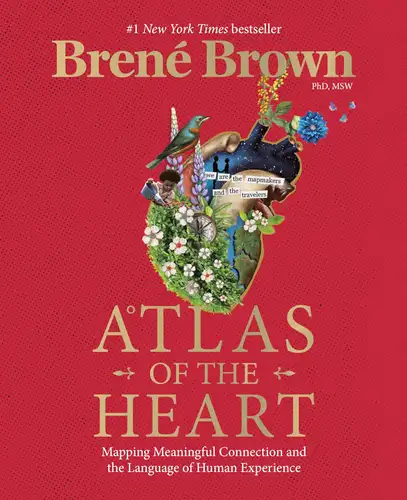
Atlas of the Heart
One thing to know: If you're looking for a structured productivity or leadership manual, the reflective style may feel too meandering.
- An expanded emotional vocabulary so you stop lumping everything into "stressed" or "fine"
- How specific emotions shape the stories you tell yourself about others' intentions
- Shared language for relationships that makes conversations about feelings more accurate
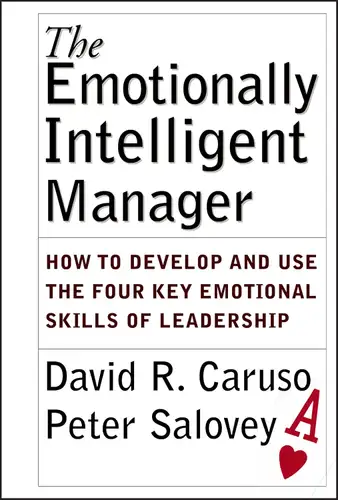
The Emotionally Intelligent Manager
Here's the thing about this book: Peter Salovey literally co-created the concept of emotional intelligence. This isn't someone repackaging ideas—this is one of the original researchers applying his own framework to management.
The approach treats emotions as DATA that can inform decisions, which appeals to analytical thinkers who find most EQ content too soft. The trade-off? It's more academic in tone and asks more of you.
But if you want intellectual credibility with workplace application, this is the deepest cut.
One thing to know: If you prefer story-driven, informal writing, this may feel too conceptual and less accessible.
- The four key emotional skills for managers: perceiving, using, understanding, and managing emotions
- How to integrate emotional information into decision-making instead of pretending it doesn't exist
- Specific applications for feedback, conflict, and leading change
Is Daniel Goleman's original book still worth reading or is it outdated at this point?
Still worth it. The neuroscience has been refined but not overturned, and nobody has synthesized the case for EQ as comprehensively since. If you're skeptical about whether emotional intelligence is even real, #2 is where you start.
Which emotional intelligence books actually have exercises I can use, not just concepts to understand?
#1 (EQ Applied), #3 (Emotional Intelligence 2.0), and #6 (Nonviolent Communication) are the most actionable. #3 literally includes an assessment and tells you which exercises to do based on your scores.
Are there any EQ books that don't assume I had a traumatic childhood or need therapy?
Most of this list, actually. #1, #3, #4, #5, and #10 are all workplace-focused and don't dig into family-of-origin stuff. Save #7 for if and when you want to go there.
What's the best emotional intelligence book if I only have time to read one?
#1 (EQ Applied). It's short, practical, and designed for people who've already read books that didn't change anything. If you want ONE book that will change how you actually behave in conversations, that's it.
Which books work well on Audible versus ones I need to read with a pen in hand?
#9 (Atlas of the Heart) is BETTER in audio. #1 and #5 work great either way.
Is there a book that will help me specifically with not reacting badly in arguments?
#5 (Crucial Conversations) is exactly this. It's basically a manual for what to do when stakes are high and emotions are running hot. Start there if arguments are your main problem.
What emotional intelligence book can I give someone without it feeling like an insult?
#9 (Atlas of the Heart) or #1 (EQ Applied). Neither screams "I think you have a problem." Atlas feels like an interesting exploration of human experience. EQ Applied reads like a business book with practical tools.
Are there books that cover emotional intelligence without using that term—for people who hate the phrase?
#5 (Crucial Conversations) and #6 (Nonviolent Communication) barely mention "emotional intelligence" but teach the exact skills. If the phrase makes you cringe, start with one of those.
Look—reading about emotional intelligence won't automatically make you better at it. (I learned that one the hard way. Multiple times.)
But the right book, matched to your actual situation, can give you something to DO differently in your next hard conversation, your next frustrating meeting, your next moment when you're about to react in a way you'll regret.
Pick one book from this list that matches where you are right now. Read it with a pen. Try ONE thing from it this week.
KEEP MOVING FORWARD.
More Books on Self-Growth
- 9 Anger Management Books That Might Actually Work (From Someone Who's Thrown a Few)
- 9 Books That Actually Get You Off the Couch (From Someone Who Read Them All While Procrastinating)
- 10 Books for Introverts That Actually Help (Not Just Validation)