9 Anger Management Books That Might Actually Work (From Someone Who's Thrown a Few)
Heads up: some links below are affiliate links. At no extra cost to you, I may earn a small commission if you buy through them.
I was sitting in my car in the garage for 20 minutes last year because I didn't trust myself to walk back inside.
My wife had said something small — I genuinely can't remember what — and I felt that familiar heat rising, that pressure behind my eyes, and I knew if I opened my mouth I'd say something I couldn't take back. Again.
I've read more anger books than I'll admit to. Some helped. Most collected dust after chapter three.
The ones on this list are the ones that actually moved the needle — for me, for people I've recommended them to, for the specific situations where anger isn't just "a little frustration" but something that's costing you relationships, sleep, or your job.
Whether you're a skeptic, a parent who yelled again this morning, or someone buying for a spouse who won't buy it themselves... there's something here for you.
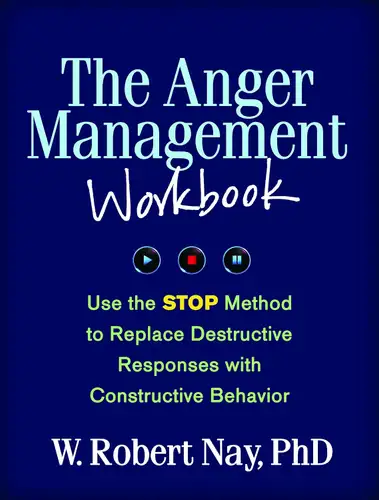
The Anger Management Workbook: Use the STOP Method to Replace Destructive Responses with Constructive Behavior
This is the book I wish I'd found first.
Carter breaks anger into clear patterns — the aggressive, the passive, the passive-aggressive — and gives you the STOP framework (Specify, Take ownership, Open up to options, Practice new behaviors) to actually work through them.
What makes it different? It goes beyond surface techniques to uncover the beliefs and hurts driving your reactions. The exercises connect early-life patterns to current explosions, which matters if you're trying to break a cycle.
The Christian framing is light but present. Some of you will appreciate that. Some won't.
One thing to know: If you strongly dislike any religious language, some sections may feel off-putting even though the core tools are broadly applicable.
- How to map YOUR specific anger style and see how it plays out in YOUR relationships — not generic examples
- The STOP method for pausing, identifying the story you're telling yourself, and choosing differently before you explode
- Exercises linking perfectionism, entitlement, and early patterns to current anger so you can target roots, not symptoms
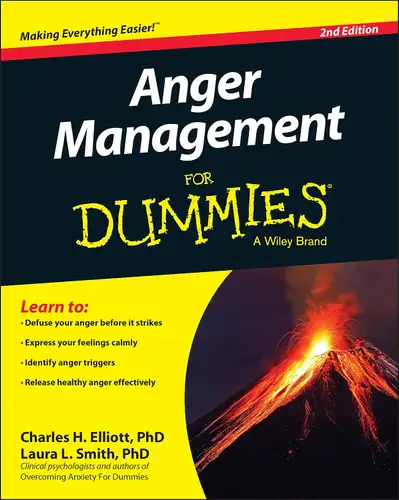
Anger Management for Dummies (2nd Edition)
I know, I know — the "Dummies" branding. But these are two PhD clinical psychologists who translated real CBT therapy protocols into something you can actually use.
It covers everything from core anger beliefs to workplace communication to relationship repair. The tradeoff is that it reads more like a manual than an inspirational story. For some of you, that's a feature, not a bug.
One thing to know: If you dislike doing written exercises or want a short, story-driven read, the structured, workbook-like feel may be too dry.
- How to identify and challenge "anger-activating" thoughts using actual CBT worksheets
- Personalized anger hierarchies so you can practice tolerating frustration without escalating
- Specific scripts for assertiveness, time-outs, and repair conversations at work and home
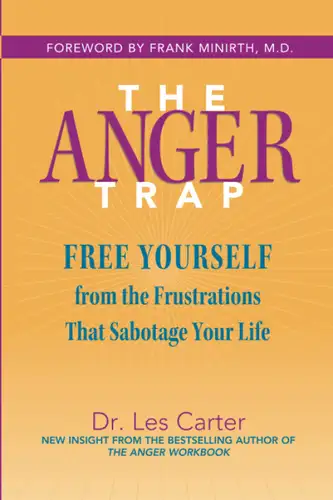
The Anger Trap: Free Yourself from the Frustrations that Sabotage Your Life
This is Carter's earlier, more insight-focused book.
Less exercise-heavy than his workbook, but it digs into the underlying "traps" — demandingness, victimhood, control — that explain why you keep reacting the same way even after learning basic techniques.
If your anger feels tied to feeling unheard or disrespected, this book will make you feel seen.
One thing to know: If you want lots of fill-in-the-blank exercises and daily practice plans, this is more insight-focused and may feel light on drills.
- Recognition of which of the three main anger traps drives YOUR worst blowups
- How to reframe anger as a signal about boundaries — not proof everyone else is the problem
- Shifting from rigid thinking ("They ALWAYS...") to more flexible narratives that reduce rage intensity
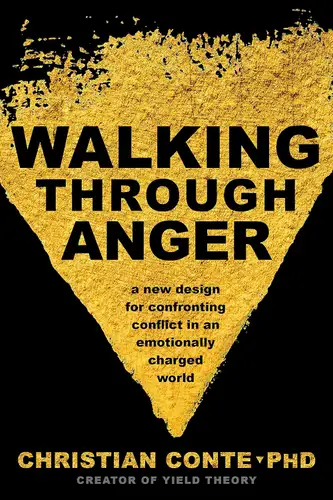
Walking Through Anger: A New Design for Confronting Conflict in an Emotionally Charged World
Conte has worked extensively in prisons and high-conflict environments.
PRISONS. His Yield Theory framework — listen, validate, then gently redirect — comes from de-escalating situations where "just breathe" would get you laughed out of the room.
The tone is straightforward and non-preachy, which is why skeptics actually finish it.
One thing to know: If your main struggle is internal simmering resentment or trauma-related anger rather than live conflict, you may need additional resources.
- The Yield Theory approach for defusing heated situations without giving up your boundaries
- Specific phrases and body language that lower defensiveness in volatile people
- Shifting from "I'm right" to "What's effective?" — which prioritizes outcomes over winning
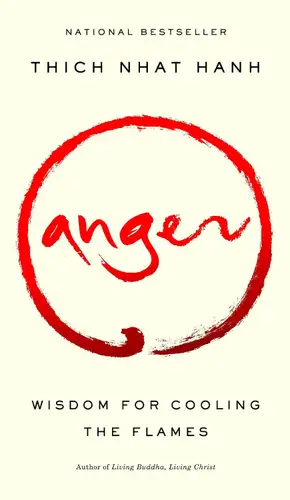
Anger: Wisdom for Cooling the Flames
This is the one my wife actually finished. Thich Nhat Hanh, a Zen master and peace activist, approaches anger as an energy that can be transformed — not suppressed, not vented, transformed.
The language is calm and non-accusatory, which makes it a SAFE gift for someone whose anger has made home feel tense. It's less about techniques and more about shifting how you relate to the emotion itself.
One thing to know: If you strongly prefer secular, evidence-heavy CBT language, the gentle Buddhist style may feel too abstract or slow-moving.
- Short, concrete breathing meditations to calm anger surges without immediately acting
- "Letter of anger" and deep listening practices to repair relationships without blame
- Reframing anger at loved ones by seeing the conditions that led them to act that way
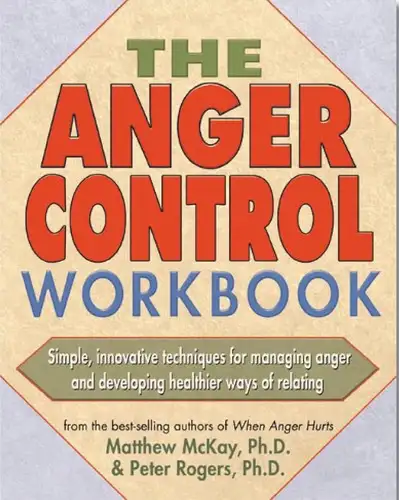
The Anger Control Workbook: Simple, Innovative Techniques for Managing Anger
This is the one therapists actually recommend.
McKay and Rogers build a step-by-step program from CBT and stress-inoculation research — the same tools used in clinical settings — so you can map your triggers, rehearse calmer responses, and build new emotion-regulation habits.
Very practical, very exercise-heavy. Ideal if you're willing to write things down and do the work between sessions (or on your own).
But.
The workbook format means you really need the physical book to get value.
One thing to know: If you dislike writing things down, the workbook format will limit how much you get from it.
- A personalized anger profile — your triggers, cues, and the situations most likely to set you off
- Cognitive and relaxation skills (coping self-talk, paced breathing) to ride out intense anger
- Scripts for assertive communication without attacking or withdrawing
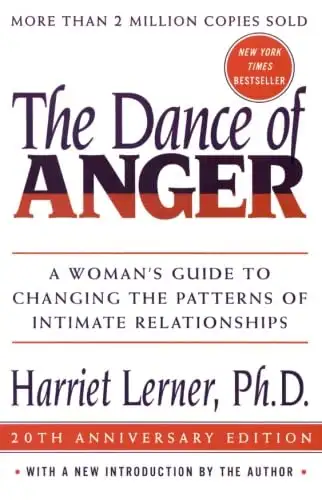
The Dance of Anger: A Woman's Guide to Changing the Patterns of Intimate Relationships
Lerner focuses on how anger functions in relationship "dances" — pursuing, distancing, caretaking, blaming. It's particularly powerful if you either explode after long periods of silence OR feel guilty for being angry at all.
Fair warning: the title says "A Woman's Guide," and the framing reflects that. But the patterns she describes show up in everyone.
One thing to know: If your primary concern is workplace anger or general irritability, much of the content will feel tangential.
- Identifying your role in relationship patterns and how anger keeps those roles locked
- Setting self-focused boundaries ("I will" statements) instead of attacking or pleading
- Staying calm in difficult conversations instead of over-explaining or withdrawing
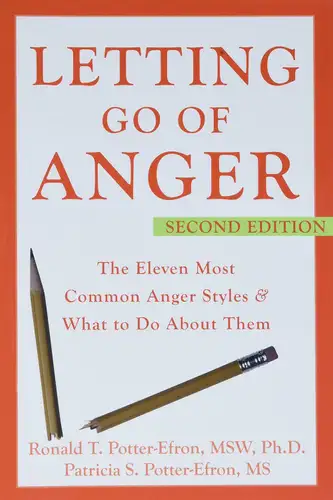
Letting Go of Anger: The Eleven Most Common Anger Styles and What to Do About Them
This is the book I recommend for gifts. It outlines eleven distinct anger styles — explosive, avoidant, passive-aggressive, righteous, chronic — and offers targeted strategies for each.
You'll feel SEEN rather than lumped together with everyone labeled "angry person." The tone is compassionate and accessible, making it low-risk for someone who might get defensive.
One thing to know: If you want heavily referenced, research-protocol style guidance, the accessible, popular-psychology tone may feel too light.
- Identifying which of eleven anger styles match YOUR behavior — so you get tailored strategies
- Seeing how socially-rewarded styles (like righteous anger) still damage relationships
- Behavior changes matched to your specific style, not generic tips
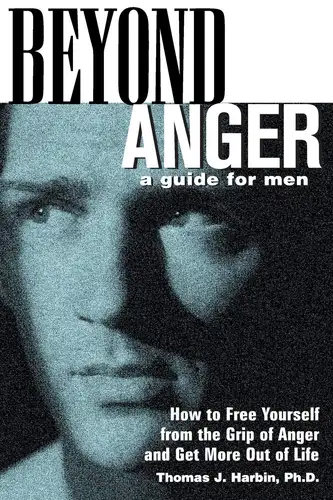
Beyond Anger: A Guide for Men: How to Free Yourself from the Grip of Anger and Get More Out of Life
Harbin runs anger treatment programs for men, and he speaks directly to male readers about how anger affects work, marriage, parenting, and legal trouble. No fluff. No TED talk energy. Real case stories that feel honest rather than preachy.
Some cultural references are dated (it's from 2000), but the core material is exactly what men who resist typical self-help need.
One thing to know: If you're not male or don't relate to traditional male roles, some framing may feel off-target even though the techniques are widely applicable.
- Tracking the chain from entitlement ("things should go my way") to anger to aggressive behavior
- Practical tools like time-outs and behavioral contracts for home and work
- Understanding how unaddressed anger contributes to depression and substance abuse
What if I've already read the popular anger books and they didn't help — is there anything actually different out there?
Start with #3 (The Anger Trap) — it addresses WHY you keep falling into the same patterns even after learning the techniques. If that doesn't click, #6 (The Anger Control Workbook) hands you the clinical exercises to drill new responses.
How do I give an anger management book to someone without making them defensive?
Go with #8 (Letting Go of Anger) — the "anger styles" framing feels less accusatory than "here's your problem." Or #5 (Thich Nhat Hanh) if they'd respond better to something gentle and spiritual rather than clinical.
Are workbook-style anger books more effective, or do they just collect dust after chapter two?
They're more effective IF you actually do them — which most people don't. Be honest with yourself. If you won't write in a workbook, get #3 or #4 instead. If you WILL do the exercises, #1 or #6 will give you the most traction.
Which anger books are backed by real research versus just some guy's opinion?
#2 (Anger Management for Dummies) and #6 (The Anger Control Workbook) are both written by clinical psychologists using evidence-based protocols. Skip the "life coach" books if credentials matter to you.
Can a book actually help with serious anger issues, or am I kidding myself and need real therapy?
Books can take you surprisingly far — especially #1 and #6, which are essentially therapy protocols in book form.
But if your anger has legal consequences, involves physical aggression, or you've tried multiple books without change... a book alone probably isn't enough. AND THAT'S OKAY. Use the book alongside therapy, not instead of it.
You didn't end up here because you're a little irritable sometimes. Something happened — or keeps happening — and you're looking for a way out that isn't just "breathe and count to ten." The books on this list won't fix you overnight.
But the right one, for YOUR specific situation, can give you the tools to stop saying things you can't take back.
Start with #1 if you want structure. Start with #3 if you need to understand WHY first. Start with #8 if you're buying for someone else.
Just... start.
KEEP MOVING FORWARD.
More Books on Self-Growth
- I Read 10 Books About Emotional Intelligence So You'd Only Have to Read One
- 10 Books for Introverts That Actually Help (Not Just Validation)
- 9 Books That Actually Get You Off the Couch (From Someone Who Read Them All While Procrastinating)